
Puppy agility training should start slow and simple. Young dogs are still growing, and their joints need time to strengthen. Fast drills or high jumps can cause strain that lasts a lifetime. The focus early on is control and body awareness, not speed.
At KC Dawgz, we build agility foundations through short lessons, gentle movement, and calm rewards that teach balance, focus, and confidence in a safe way.
Understanding Puppy Growth
Before starting agility, you must understand how your puppy’s body develops. Growth plates are soft areas at the ends of bones that control growth. Until they close, your puppy’s joints are fragile and need care.
For most medium breeds, growth plates close around 12 to 18 months. During this time, your puppy’s muscles are still forming. Too much jumping, climbing, or twisting can cause long-term problems.
Key Takeaway: Protect growth plates. Give your puppy time to grow before adding impact work.
Avoiding High-Impact Activities
What to Hold Off On
When starting puppy training, skip hard physical drills. Avoid repeated jumps, tunnels, and weave poles. These look fun, but they create strain that a young body cannot yet handle. Even short bursts of high-impact movement can stress joints and slow healthy growth.
What You Can Do Instead
Focus on movement that builds balance, trust, and attention:
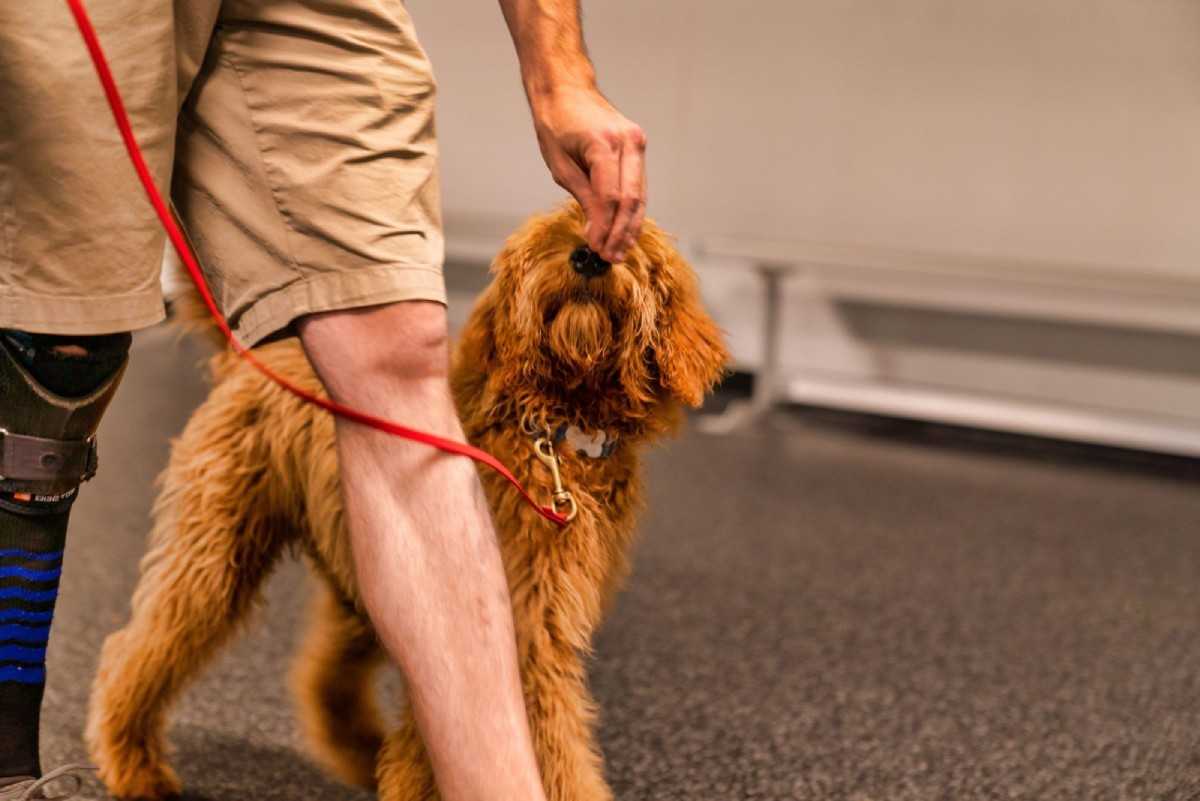
- Slow lure following: Use food to guide your puppy’s movement over or around low, flat objects.
- Surface confidence: Let them walk on mats, grass, or gravel to learn balance.
- Gentle obstacles: Use low boards or cones to guide controlled steps.
Pro Tip: Keep movements slow and smooth. Quick, jerky steps cause strain.
When to Start Formal Puppy Agility Training
When Your Puppy Is Ready
You don’t need to rush. A dog should finish growing before doing any real agility work. Most reach that stage around a year and a half. Some small dogs get there sooner. Bigger dogs take more time. If you’re not sure, just ask your vet or trainer. They’ll know if your puppy’s body can handle small jumps or weave poles yet.
How to Begin
Start with low bars or flat tunnels. Keep sessions short, two to three minutes at a time. Watch your dog’s form, focus, and energy. If your puppy looks tired or stiff, stop and rest.
Key Takeaway: Early practice should focus on control, not challenge. The goal is learning, not testing limits.
Not sure what’s safe for your puppy yet? A quick check-in with KC Dawgz can help you choose age-appropriate agility exercises and avoid joint stress. Contact our team to get clear guidance before adding obstacles or impact work.
Building Confidence and Independence
Why Confidence Matters
A confident dog performs better in agility. Overcorrecting or drilling obedience too early can make a dog hesitant. Puppies should feel free to explore and make mistakes.
Reward your dog when they try something new. Use calm praise and food rewards. The more they trust you and enjoy learning, the easier future agility work becomes.
Confidence-Building Habits
- Keep lessons positive.
- Reward effort, not just perfection.
- End each session on a win.
- Avoid harsh tones or long corrections.
Pro Tip: Confidence builds through small wins. Praise effort before precision.
Simple Weekly Routine
Here’s a plan that keeps progress steady and safe:
Daily
- Two or three short sessions (1–3 minutes).
- Mix play with learning.
- Practice slow lure following.
Weekly
- Introduce one new flat object or texture.
- Work on calm focus before adding speed.
- Review simple cues like “come,” “sit,” and “stay.”
Keep notes on what your puppy enjoyed or struggled with. This helps track growth and adjust your training plan.
Ready to Begin Training?
At KC Dawgz, we focus on helping you and your puppy start on the right path. Our team builds safe, age-based plans that teach focus, confidence, and good movement without putting stress on your dog’s body.
If you’re ready to start the right way, contact KC Dawgz for a free consultation. We’ll help you set clear goals and create a step-by-step plan for puppy agility training that keeps your dog healthy, confident, and eager to learn.