Food aggression in dogs means the dog guards their food and reacts when someone comes near. This can lead to bites or fights if it isn’t managed.
Identifying early signs and using consistent feeding routines can reduce the behavior. Providing a quiet eating area and controlled training helps improve safety for both the dog and people in the home.
What Food Aggression Looks Like in Dogs
The aggression of food occurs when a dog feels the need to protect his food, behavior, or toys. It may include a growing, stretched, or rigid posture, or a bite when one becomes very close during a meal. This behavior is also known as resource guarding.
Some dogs show these signs when they are young, while others later develop them due to their health or a change in home life. It is important to understand how to manage behavior to know how to manage it.
Understanding the Cause of Food Aggression
Some Dogs are Born with Guarding Instincts
Genetic food aggression often begins early. These dogs are naturally more protective of food and may show signs during puppyhood. If this behavior appears early, it’s best to start using safe training routines right away.
Changes in the Home Can Trigger Guarding Behavior
Older dogs can also develop food aggression, but the cause is often different. When it appears later in life, it is usually linked to environmental changes or medical problems.
Ask yourself:
- Has the dog moved to a new place recently?
- Has a new baby or pet joined the household?
- Is your dog in pain or recovering from illness?
Key Takeaway: If food aggression appears in an older dog, check for recent life changes or medical concerns. These are usually easier to fix with the right support.
Safe Training Tips for Food Aggression
Feeding Your Dog in a Kennel Can Create a Calm Space
One of the safest ways to manage food aggression is to feed your dog inside a crate or kennel. This gives your dog a private place to eat without worrying that someone will take their food.
Benefits of kennel feeding:
- It removes stress during mealtime
- It prevents accidents with kids or other pets
- It lets your dog eat at their own pace
Hand Feeding Builds Trust Between You and Your Dog
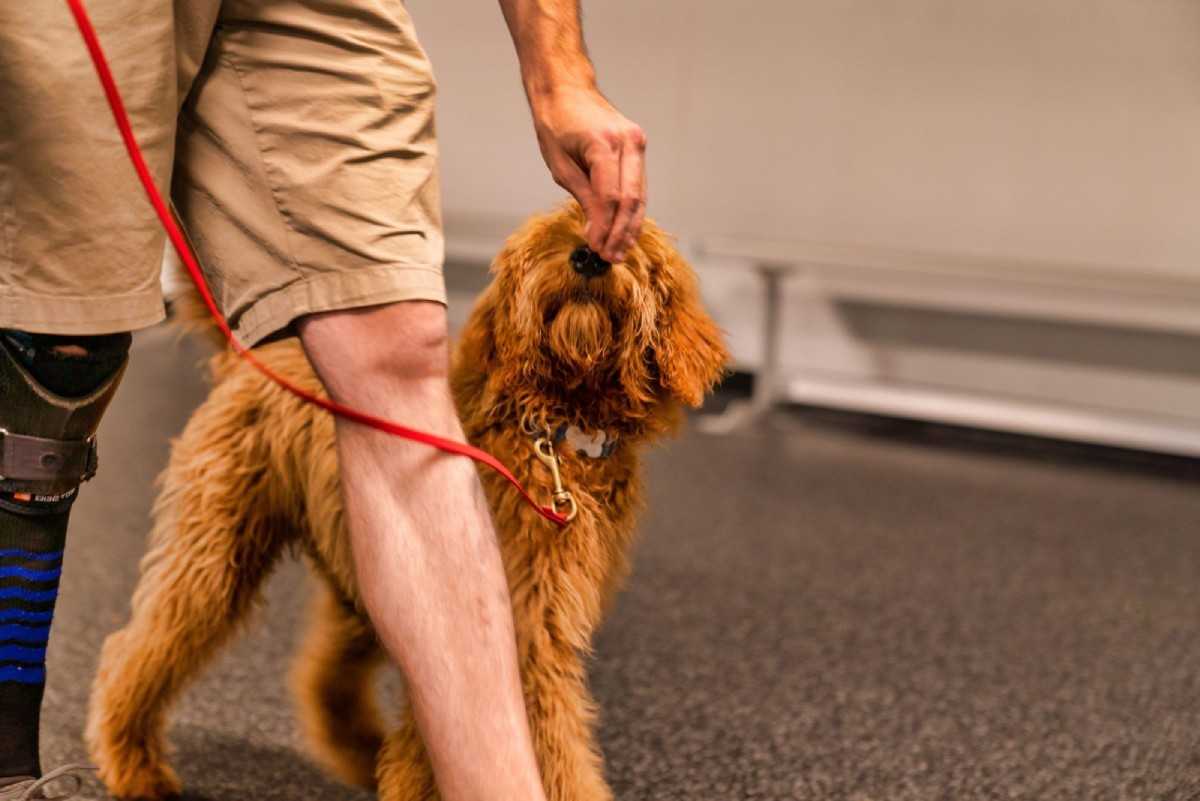
Hand feeding is another simple method that can reduce food aggression. It shows your dog that food comes from you and does not need to be protected. You can use this method with puppies or adult dogs.
Start by letting your dog take food gently from your hand. Over time, this creates a bond and lowers the fear that food will be taken away.
Need expert help with food aggression in dogs? Contact KC Dawgz for a free consultation. We’ll help you find a solution that works for your home and your dog.
What Not to Do When Addressing Food Aggression
Some people think putting their hand in the dog’s bowl will teach the dog not to guard food. This is a mistake. For dogs with true food aggression, this can make the problem worse.
Instead of forcing your dog to share food, focus on slow, calm routines that build safety and trust.
Pro Tip: Do not try to test your dog’s limits during meals. Let them eat peacefully and work with a trainer if needed.
How to Keep Everyone Safe During Feeding
If your dog shows signs of guarding, it is important to control the feeding area. This helps prevent accidents and keeps everyone safe.
Here’s how to do it:
- Feed your dog alone in a closed space
- Do not leave food or treats lying around
- Store toys and bones when not in use
When You Should Call a Dog Trainer
Food aggression can be scary, especially if the dog growls or snaps. If you notice warning signs like guarding, growling, or biting around food, it’s time to call a professional.
A skilled trainer can create a plan that is safe and easy to follow. They can help you stop food aggression in dogs before it gets worse.
In Summary
Food aggression is a real concern, but it can be managed with the right steps. Whether the cause is genetic or due to changes in the home, feeding routines like kennel feeding and hand feeding can help. Avoid harsh methods and focus on safety.
If you are ready to stop food aggression in dogs, contact KC Dawgz today. We can help your dog feel safe, happy, and well-behaved at mealtimes.