
A dog that keeps biting can mean many different things. Some bites are playful exploration. Others are mouthing during a high-energy moment. Some are warning signs of something more serious, like fear or resource guarding.
When your dog keeps biting, the right response depends entirely on the cause, the age, and the breed. A quick fix that ignores the underlying reason almost always reverts, so the first step is figuring out what the biting actually means.
Why Dogs Use Their Mouths to Communicate
Dogs use their mouths the same way humans use their hands. If we want to grab something, we reach with our hand. If a dog wants to grab something, they reach with their mouth. Understanding that gives every other conversation about biting its foundation.
Play Biting and Mouthing
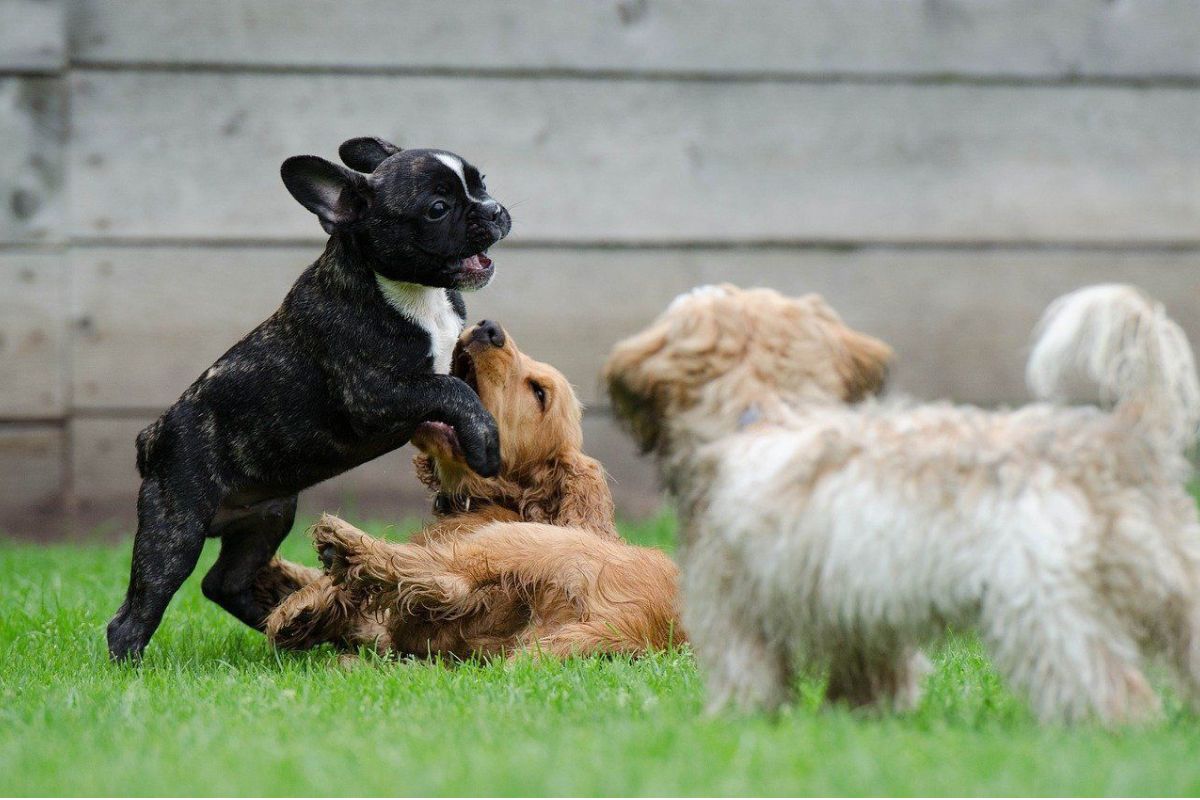
Play biting and mouthing are normal forms of communication. A dog using its mouth during play is not being aggressive. They are interacting in the most natural way they know. The work is teaching them when and how that behavior is appropriate, not trying to eliminate the instinct itself.
Aggression and Fear-Based Biting
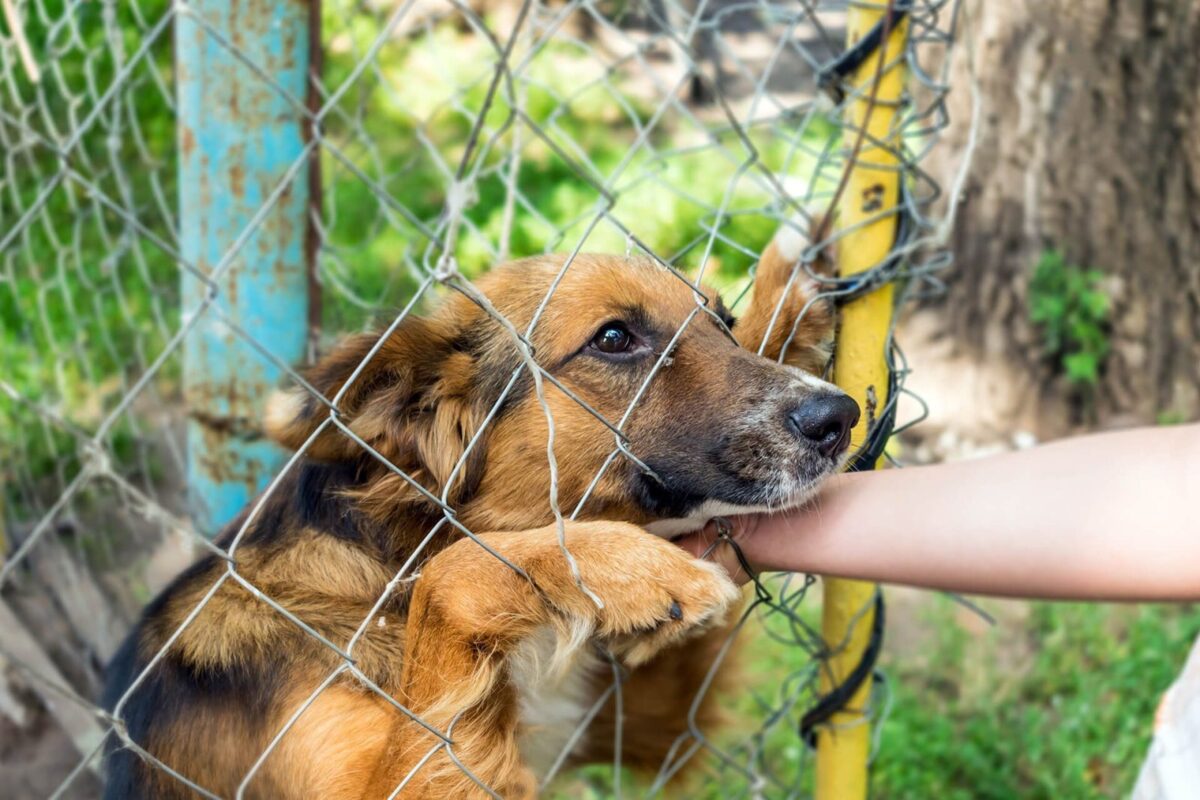
Aggression is a different category entirely. A dog biting from fear, anxiety, or resource guarding is communicating something more serious. They may have something they want to keep and worry you will take it away, or they may be reacting to a threat that is not obvious to you. These cases need a different approach than a puppy nipping during play.
Key Takeaway: Biting is communication. The type of bite, the trigger, and the context tell you what the dog is actually saying. Treat them all the same way, and you miss the message entirely.
What to Do When Your Dog Keeps Biting as a Puppy
Puppy biting is the most common situation owners come to us about, and it usually has the most straightforward path forward. The key is helping the puppy understand that biting is not allowed.
Correction and Disengagement
Sometimes correcting the behavior is the right call. Other times, stopping play and walking away delivers the message more effectively. The right choice depends on the puppy’s drive and how strongly they want to keep doing the behavior.
Reading How Your Dog Responds
Ignoring a biting puppy can make the behavior worse for some dogs and stop it cold for others. We adapt the approach to the individual dog and watch how they respond to the communication we are giving them. There is no one-size-fits-all answer.
Need expert help when your dog keeps biting? Contact KC Dawgz for a free consultation.
When Aggressive Biting Calls for a Professional
Aggressive biting is not a problem to solve through internet videos or trial and error. A trained professional needs to sit down with you and the dog to find the root cause.
Fear, Anxiety, and Resource Guarding
Fear-based aggression and resource guarding are two of the most common drivers of serious biting. Both require careful diagnosis before any training plan can work. Pushing a quick fix on a fear issue can make the dog more reactive, not less.
Age, Breed, and Drive All Matter
The age of the dog, the breed, and the level of drive all factor into the training plan. A six-month-old high-drive working breed needs a different approach than an older companion dog showing new aggressive behaviors. Skipping that diagnostic step is how the wrong plan gets built in the first place.
Pro Tip: Biting is rewarding by nature. The dog gets the toy, gets the attention, or gets the person to back away. Any plan that does not interrupt that reward loop will not hold up over time.
Stop the Biting at Its Source
The timeline for fixing biting depends entirely on the underlying cause. A puppy can be redirected in days or weeks. An older dog with established aggressive patterns takes longer and demands consistency. We work with each dog as an individual and build a protocol you can follow at home. Contact KC Dawgz today to schedule a free consultation, and we will help you address what it really means when your dog keeps biting.