
Every dog will work for something. The hard part is figuring out what that something is, since motivation looks a little different for every dog. To increase motivation in dogs, you first have to learn what your dog truly values and will put in real effort to earn. Once you understand that, training gets far easier, and your dog starts choosing to work with you instead of tuning you out.
What it Takes to Increase Motivation in Dogs
Motivation is simply what your dog is willing to work for. There are several types, and the right one comes down to your dog as an individual.
Motivation is What Your Dog Will Work For
At its core, motivation is whatever your dog will put in effort to earn. Your job as the owner is to find what your dog really likes, and your dog ultimately decides what counts as a reward worth working for.
Every Dog is Different
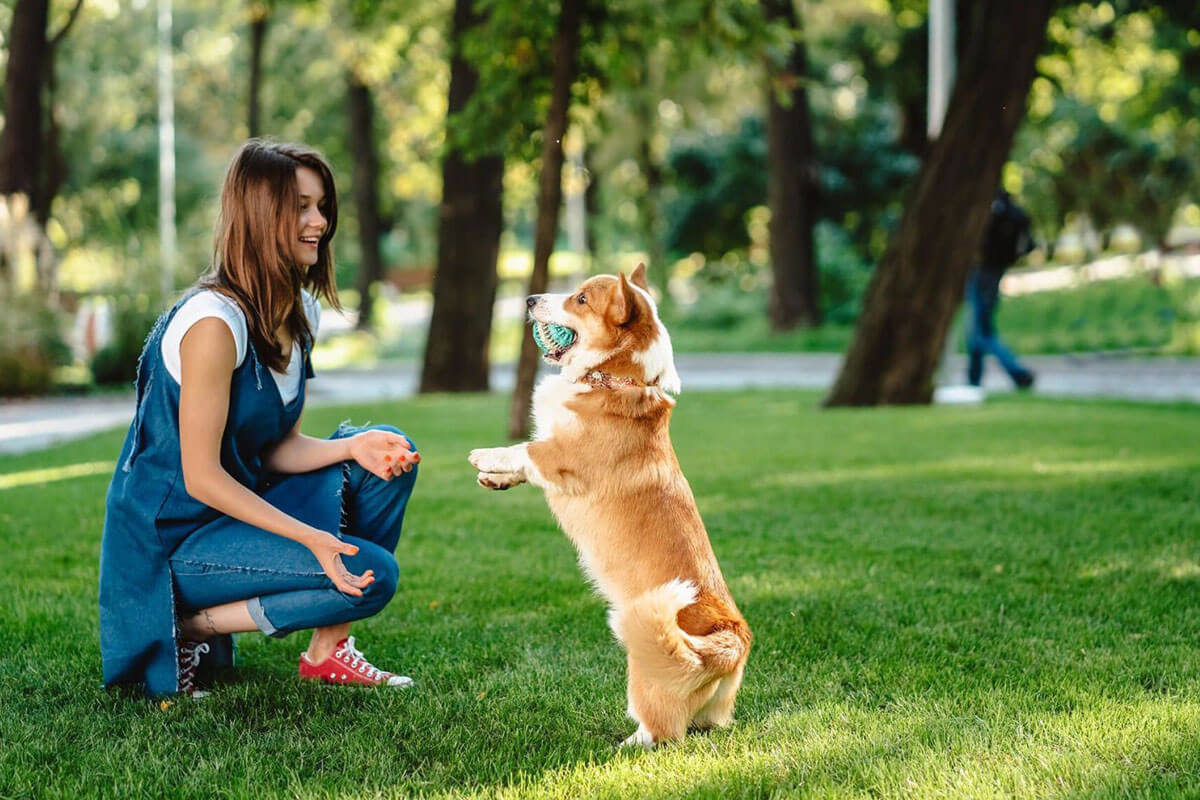
No two dogs are motivated by exactly the same thing. Some will work hard for plain kibble, others need something higher value, and many are driven by toys or play. The lesson is to get creative and watch what your dog responds to.
Key Takeaway: You can offer rewards all day, but your dog decides what is actually motivating. Pay attention to what they choose to work for.
The Main Types of Motivation
Once you know that motivation varies, it helps to know the main categories most dogs respond to.
Food, Play, and Affection
The three most common motivators are:
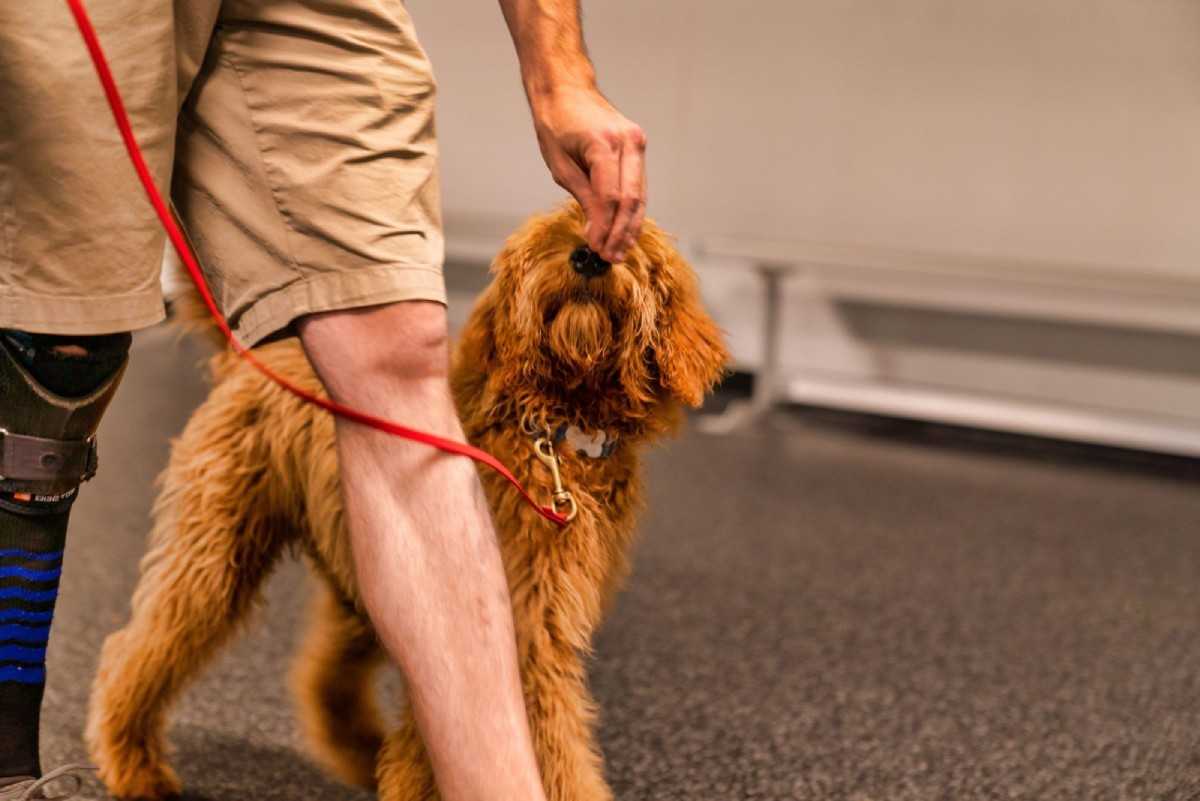
- Food, the most reliable and the easiest to adjust up or down.
- Play, ideal for toy-driven dogs.
- Affection, the right fit for dogs that work for praise and petting.
Food works for the widest range of dogs.
Positive and Negative Motivation
Motivation also comes in two directions. Positive motivation is a reward your dog loves and will work toward, like food. Negative motivation is a mild consequence that steers your dog away from a behavior you do not want. We respond to both in the same way: a paycheck pulls us toward work, and the threat of a power shutoff pushes us to pay the bill on time.
Key Takeaway: Both directions work. Reward the behavior you want more of, and gently discourage the behavior you do not.
KC Dawgz can help you pinpoint exactly what motivates your dog. Contact us for a free consultation.
How to Build Stronger Food Motivation
Food is the easiest motivator to strengthen, as long as you manage it well.
Feed on a Schedule and Balance Rewards
Start by feeding your dog on a set schedule rather than leaving food out. Balance the amount in their bowl with the treats they earn during training. A simple routine works best:
- Feed on a consistent schedule instead of all day.
- Balance meals with training rewards so your dog is not overfed.
- Use kibble as a reward when your dog works for it.
Avoid Free Feeding to Increase Motivation in Dogs
We recommend moving away from free feeding. When food is available all the time, your dog values it less and has little reason to work for it. The same is true for us: a paycheck dropped at the door every day would quickly kill the drive to earn it. Control what, when, and how your dog eats, and their food motivation climbs.
Pro Tip: Skip the all-day food bowl. A dog that earns meals through training works harder than one with a constant, unlimited supply.
Let’s Find What Motivates Your Dog
Every dog has something they will happily work for. The key is to identify it, use it as a reward, and manage food so it keeps its value. Get those pieces right, and training becomes a partnership instead of a battle. When you are ready to increase motivation in dogs the right way, reach out to KC Dawgz for a free consultation.