
A growl can make any dog owner pause. The key is knowing whether you are hearing play growl or real growl behavior, because the sound alone does not tell the full story. You need to watch the whole dog.
Body language gives you the clearest answer. When you know what loose movement, stiffness, tail action, ear position, and mouth tension look like, it becomes much easier to tell whether your dog is having fun or feeling uncomfortable.
Why Do Play Growl and Real Growl Sound Different in Context
Growling is part of normal dog communication. It can show excitement during play, or it can signal discomfort and tension. That is why we never tell people to judge the sound by itself.
A dog that is playing usually looks loose and happy overall. A dog that is serious usually looks tight, fixed, and uncomfortable. The growl matters, but the full picture matters more.
What a Play Growl Usually Looks Like
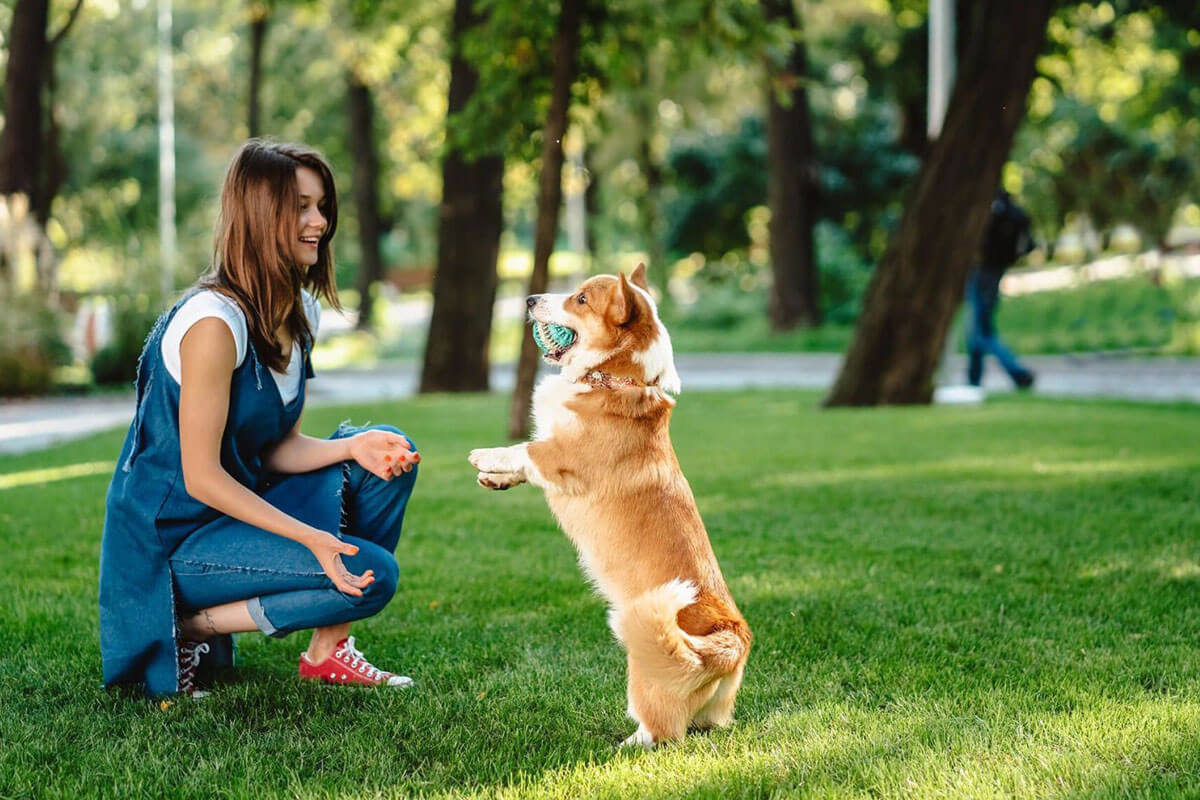
A play growl often comes with relaxed, loose body language. The dog may have a wiggly tail, soft movement, and playful energy that is easy to recognize once you know what to watch for.
You may also see a play bow. That is a strong clue that your dog is engaged in fun, social behavior and is not trying to warn someone off.
Common signs of playful growling include:
- Loose body movement
- A wiggly tail
- Play bows
- Relaxed posture
- A dog that looks like it is having a good time
What a Serious Growl Usually Looks Like
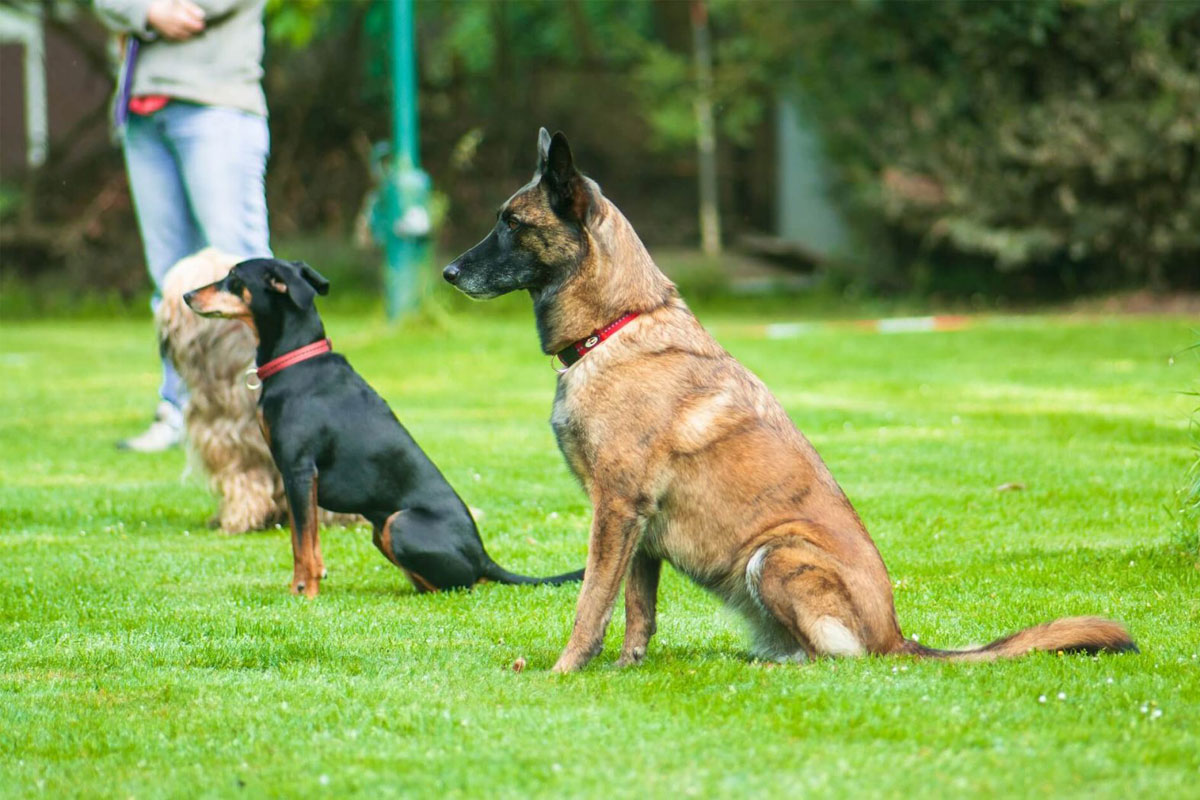
A more serious growl usually comes with body tension. The dog may stiffen, hold itself tight, and focus hard on the person, dog, or object causing concern.
You may also notice ear changes and mouth tension. The ears may pin back or lock forward in a very alert way, and the mouth may look tight instead of soft and relaxed.
Pro Tip: If the body gets still, tight, and fixed, take that seriously. Tension often tells you more than the sound itself.
Body Language Tells You More Than the Noise
When people hear a growl, they often assume the dog is being aggressive. That can lead to the wrong response. In many cases, the growl is simply clear communication.
We want owners to slow down and read what the dog is saying with its body. A playful growl and an aggressive growl may sound similar at first, but they usually look very different.
How to Read Play Growl and Real Growl in the Moment
Start by looking at the dog’s full posture. Ask yourself whether the body looks loose or stiff. Then check the tail, ears, and mouth before deciding what the growl means.
A quick checklist can help:
- Is the body loose or tight?
- Is the tail wiggly or rigid?
- Are the ears soft, pinned, or fixed forward?
- Does the mouth look relaxed or tense?
- Is the dog play-bowing or freezing?
Why We Do Not Punish Growls
We do not believe growls should be punished. A growl is a warning signal, and warning signals matter. When a dog growls, it is telling you something clearly.
If a dog is uncomfortable and gets punished for growling, it may learn not to give that warning next time. That can create a more dangerous situation because the dog may move straight to a bite without giving the same clear signal first.
Key Takeaway: A growl is information. Treat it like communication, not bad behavior that should automatically be corrected.
Need expert help with play growl and real growl concerns? Contact KC Dawgz for a free consultation.
When to Get Professional Help
Some situations should be evaluated by a professional, especially if you are unsure what you are seeing. A prompt evaluation can give you clarity, reduce stress, and help you respond the right way before the behavior gets worse.
Signs It is Time to Schedule an Evaluation
Reach out if:
- You cannot tell whether the growling is playful or serious
- Your dog looks stiff or uncomfortable
- The growling is happening more often
- You feel unsure about how to respond
- Other people in the home are worried
How KC Dawgz Can Help
We evaluate the full behavior, not just the sound. We look at posture, movement, and the situation around the growl so we can help you understand what your dog is communicating.
If your dog’s sounds or body language are making you second-guess what is going on, contact KC Dawgz today and get expert help with play growl and real growl behavior exhibited by your dogs.