
Bringing home a new puppy is exciting, but frequent biting during play can quickly become a problem. Learning how to stop a puppy from biting supports better long-term training and prevents the formation of bad habits.
By setting clear boundaries and using consistent, positive training methods, you can guide them toward safe, gentle play that builds confidence and good manners.
Understanding Why Puppies Bite and How to Recognize the Cause
Puppies bite for different reasons. Some bite during play. Others may do it when they are overly excited or stressed. Understanding the cause will help you respond in the right way.
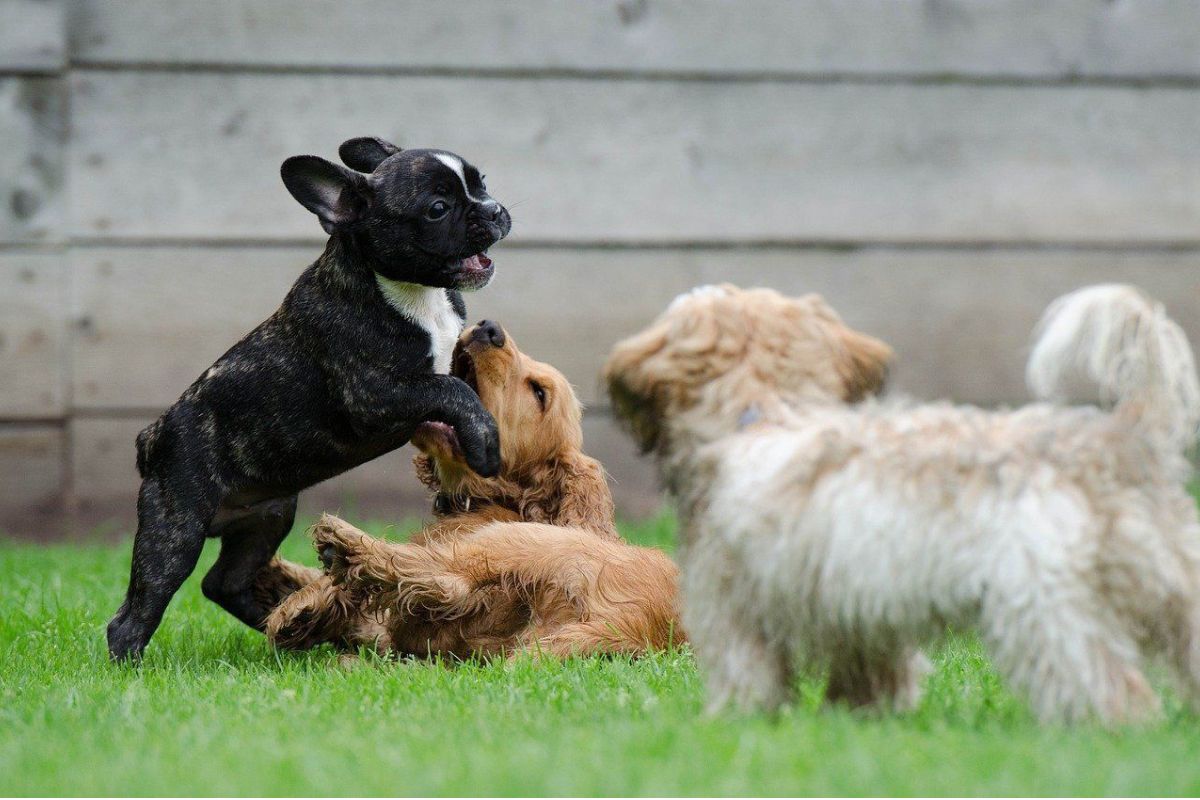
If your puppy bites during play, stop the game for a short time. This shows them that biting ends the fun. Then you can decide whether to redirect them or correct the behavior. Pay attention to what works best for your puppy.
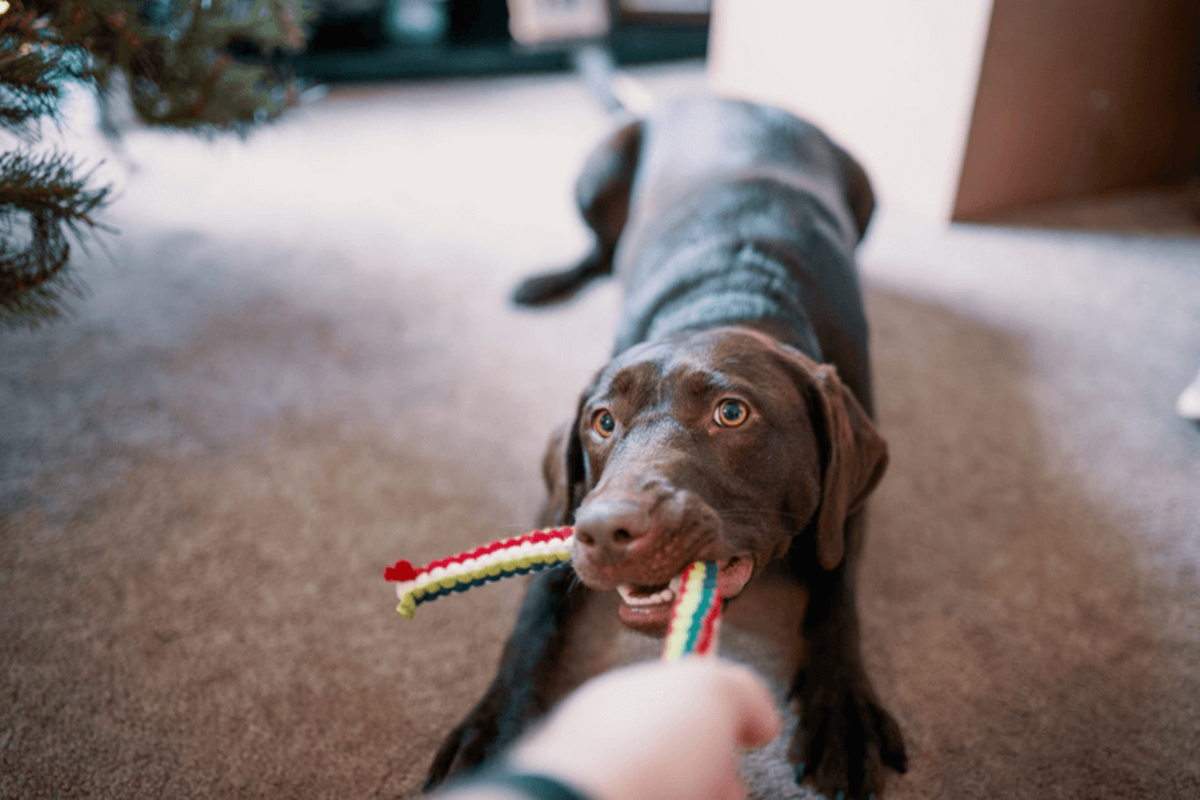
Pro Tip: Do not let your puppy play with your hands. Use toys so they learn what is okay to bite.
How to Read Your Puppy’s Body Language
Body language gives you a clue about why your puppy is biting. Watch their posture, ears, and tail. A relaxed stance usually means playful biting. Stiff movements or an intense stare often mean the biting comes from overexcitement or frustration.
If the bite is aggressive or defensive, it is time to calm your puppy and let them cool down. Taking them away from the situation helps them settle and keeps the biting from escalating.
How to Respond When Your Puppy Bites During Play
Removing your puppy from play is often the most effective first step. This tells them the behavior is not acceptable. Use short timeouts and bring them back when they are calm.
Redirection the Right Way
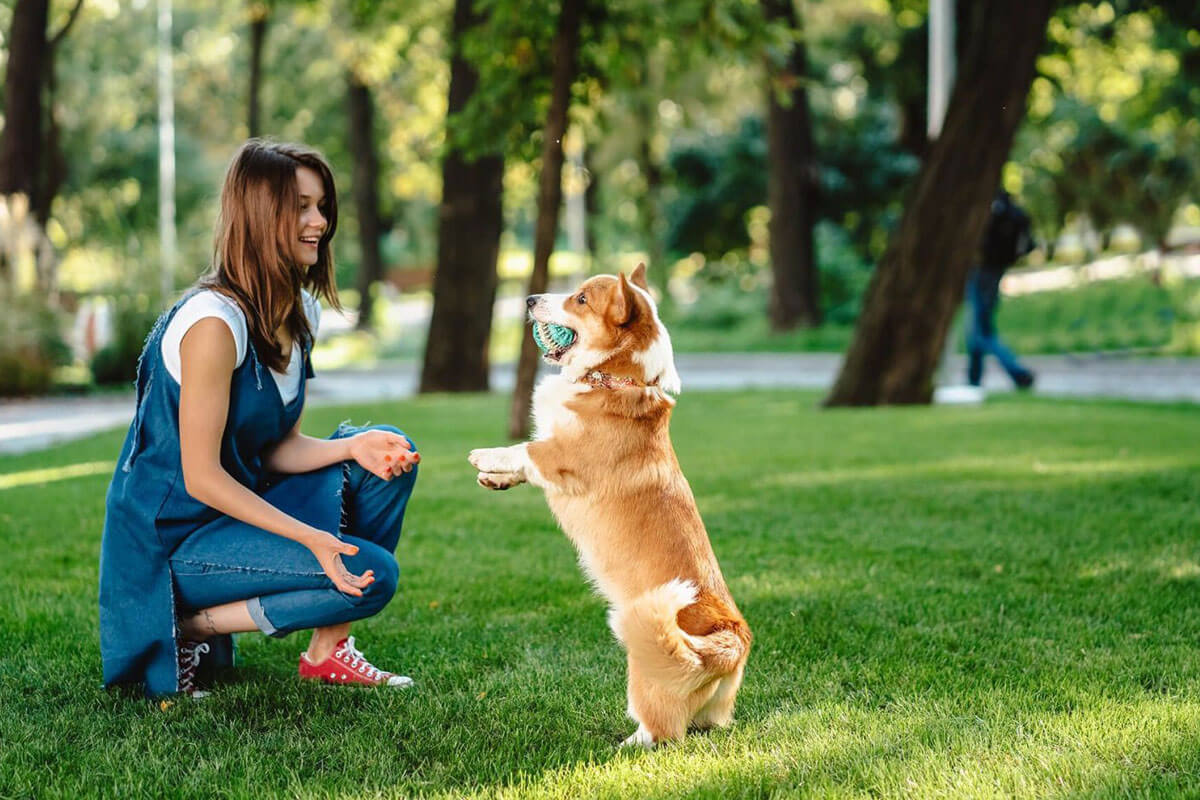
Redirection is useful, but only when the timing is right. If you offer a toy while biting is still happening, you may be rewarding the wrong behavior.
Key Takeaway: Timing matters. Rewarding your puppy when they are calm teaches them what earns attention.
Know When to Seek Professional Training Support
Sometimes biting is more than simply playful behavior. If you notice signs like guarding food, snapping when touched, or biting without warning, reach out to an expert trainer. These can be early signs of a bigger issue.
A trainer can investigate the cause and create a plan that fits your dog’s needs. They can also show you handling strategies that keep bad habits from forming.
Need expert help with how to stop puppy biting? Contact KC Dawgz for a free consultation. We will help you correct the behavior quickly and safely.
Training Tips That Work
- Start early: The sooner you set rules, the better the results.
- Be consistent: Respond the same way each time your puppy bites.
- Use toys: Keep a variety of safe chew toys available.
- Stay calm: Yelling or hitting can make biting worse.
- Praise good behavior: Reward your puppy when they play gently.
Managing Biting in the Long Term
Training does not end once the biting slows down. Keep reinforcing the rules so your puppy remembers them as they grow. Play sessions are a great way to practice gentle behavior.
Also, provide enough exercise and mental stimulation. Bored puppies are more likely to nip. Walks, puzzle toys, and short training sessions keep their mind and body active.
In Summary
Early intervention, patience, and consistency are what stop puppy biting. With well-timed redirection, your puppy can learn the limits, settle down when overexcited, and play without biting.
If the biting persists or feels severe, get in touch with KC Dawgz for professional training. We can help your puppy build healthy habits.
To arrange your free consultation and get professional training advice for your puppy, contact KC Dawgz right now.