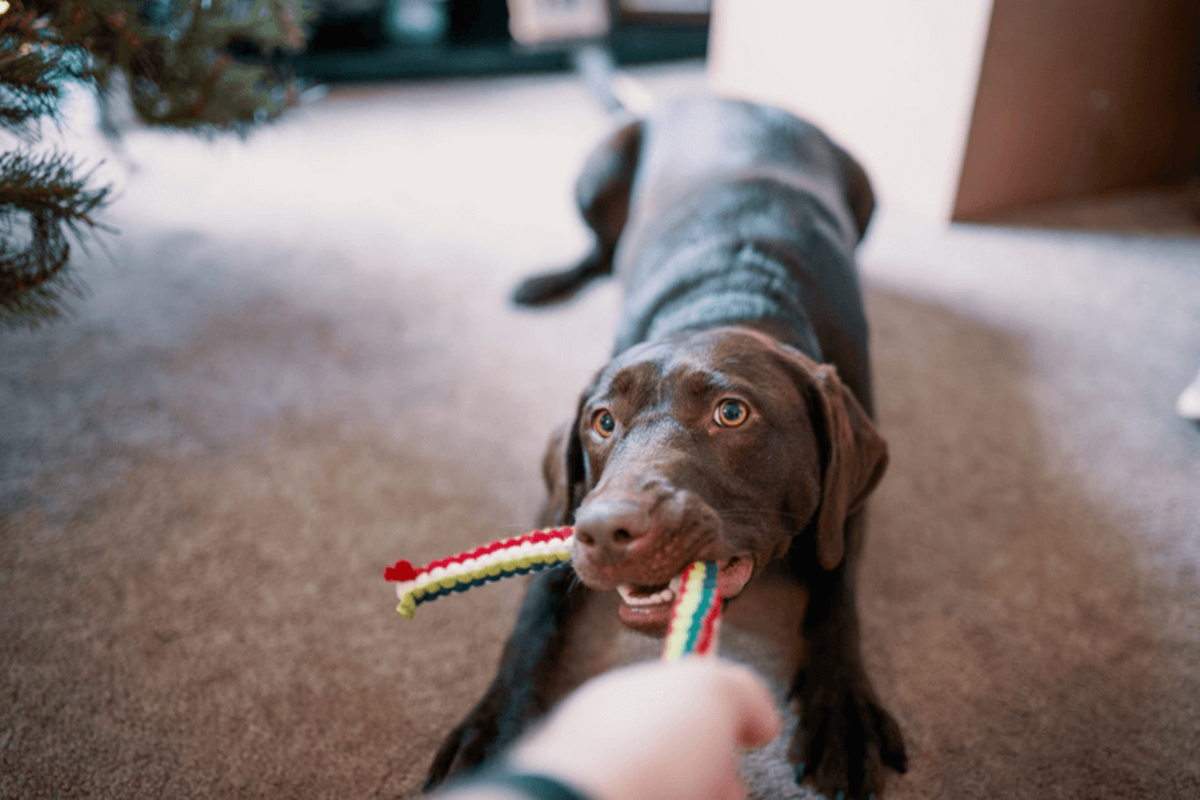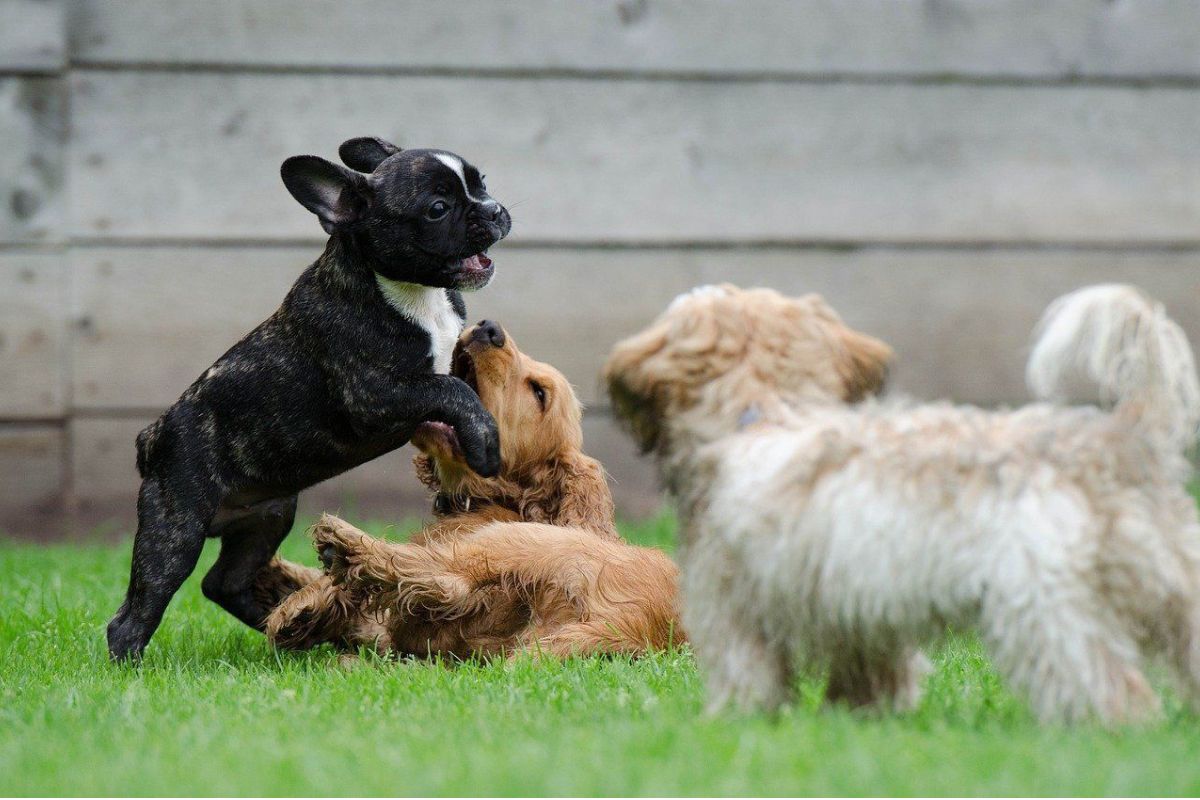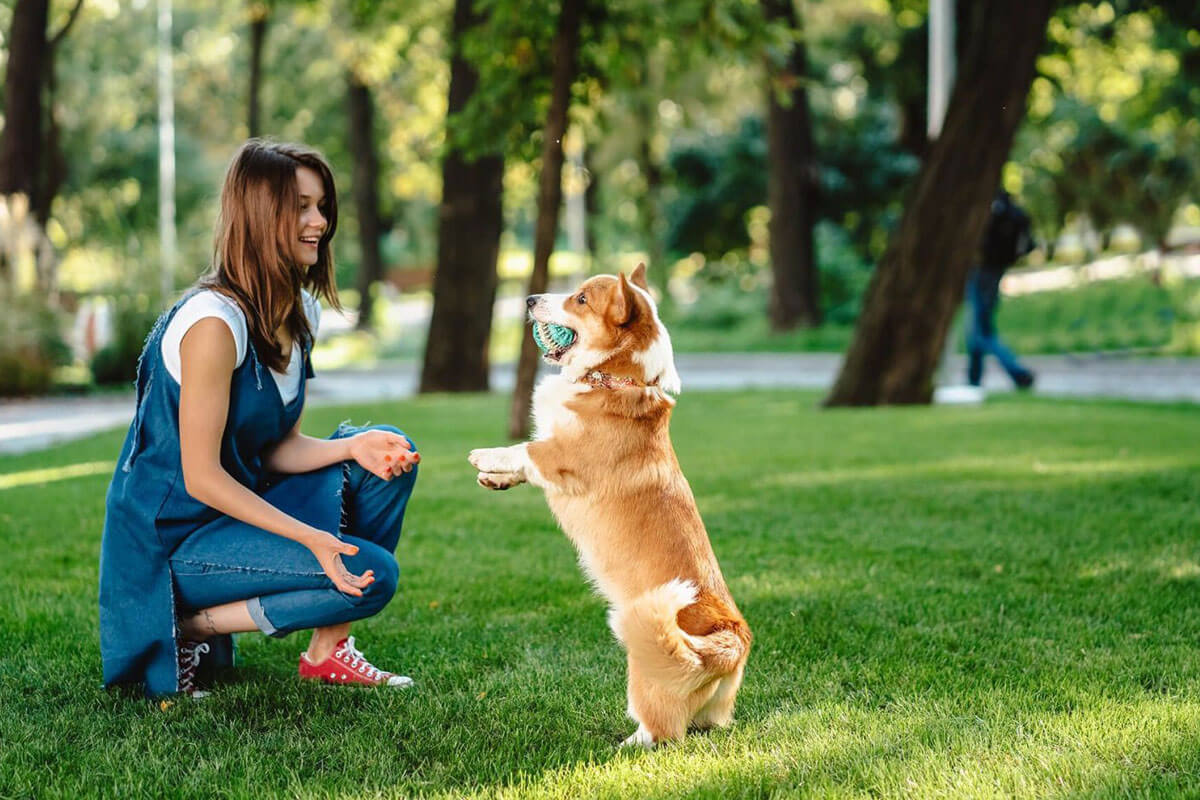

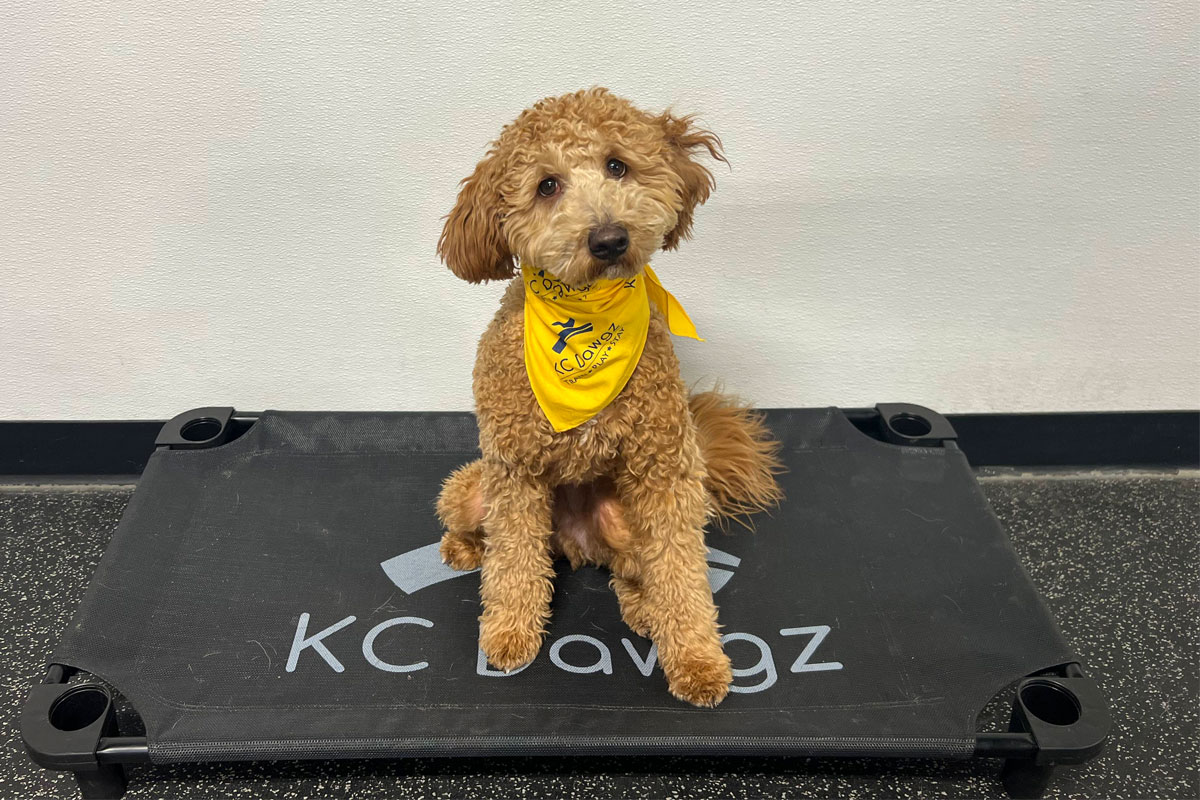
A puppy for Christmas can work out well, but only if your household is ready for the first month of work that comes with it. December is one of the busiest times of year to start potty training, crate training and socialization. Guests, travel, decorations and cold Kansas City nights all add to the load.
Before you wrap a leash and put a bow on it, run through the checklist below. These are the same questions our trainers walk families through when they ask us about holiday puppies.
Is Christmas a Good Time to Bring Home a Puppy?
It can be. Many families have time off around the holidays, and that time matters in the first weeks. A puppy does best when someone is home to take it outside often, run short training sessions and keep a steady schedule.
The trouble is that the holidays are rarely calm. Here is what tends to work against a new puppy in late December:
- Noise and crowds. A house full of relatives can overwhelm a puppy that is only a few days into its new home.
- Travel. Trips and overnight visits break the routine a puppy is just starting to learn.
- Decorations. Ornaments, tinsel, light cords and wrapping paper all end up in puppy mouths.
- Cold weather. Kansas City nights in late December often drop below freezing, and a young puppy still needs to go outside every few hours, including overnight.
Key Takeaway: If your holidays are packed, consider giving the promise of a puppy instead. Wrap a collar, a leash or a photo of the breed, then bring your puppy home in January when the house is quiet.
A Trainer’s Checklist Before You Say Yes
1. Who Is Taking the Puppy Outside?
Young puppies need a potty break after waking up, after eating, after playing and every couple of hours in between. Decide now who handles the early mornings, the late nights and the middle of the workday. Our puppy potty training schedule lays out a typical day.
2. Will Anyone Be Traveling in the First Month?
The first few weeks set the routine your puppy will rely on. If you have trips planned between Christmas and mid-January, line up a sitter who will follow the same schedule, or wait to bring your puppy home until you are back.
3. Can You Puppy-Proof Around the Tree?
Block off the tree with a pen or gate, keep cords out of reach and pick up gifts and wrapping paper. Keep chocolate, grapes, raisins and anything sweetened with xylitol well away from your puppy. If you think your puppy ate something harmful, call your vet or the ASPCA Animal Poison Control Center right away.
4. Do You Have a Crate and a Quiet Spot?
A crate gives your puppy a safe place to nap while the house is busy. Set it up in a quiet corner before the puppy arrives, and make it the best spot in the house with a soft bed and a chew. Our guide to crate training your puppy covers the first steps.
5. Does the Breed Fit Your Home?
A high-energy herding or sporting breed will need much more exercise and training each day than a lower-key companion breed. Think about your space, your schedule and how active your family is, then talk with your breeder or rescue about which puppy fits.
6. Is the Whole Family on Board?
A puppy learns fastest when everyone uses the same words and rules. Agree on cues like sit, off and place before the puppy comes home, and decide where it will sleep and which rooms it can use. If the puppy is meant as a surprise for someone outside your household, hold off. That person should get to choose.
Your First Two Weeks at Home
If a Christmas puppy is right for your family, keep the first two weeks simple:
- Stick to a schedule. Meals, potty breaks, naps and play at about the same times every day.
- Keep training short. Two or three sessions a day of 3 to 5 minutes each. Practice your puppy’s name, sit and coming to you for a treat.
- Give your puppy downtime. Puppies sleep a lot. Use the crate for naps, especially when guests are over.
- Introduce people slowly. One or two calm guests at a time works better than a crowded room. Let your puppy walk up on its own.
- Redirect mouthing. When those needle teeth find your hands, offer a chew toy instead and praise your puppy for taking it.
Our post on the first week with your puppy goes into more detail on what to do and what to avoid.
When to Start Puppy Training
You can start teaching good habits the day your puppy comes home. The earlier your puppy learns the basics, the easier the teenage months tend to be.
At KC Dawgz, puppies can start with in-home lessons as early as 2 to 3 months old, where a trainer comes to you to set up house manners and a way to communicate with your puppy. Our Puppy 101 group class at our Overland Park academy covers socialization, basic obedience, grooming manners and potty routines. It is open to puppies up to 7 months old with age-appropriate vaccinations. Private puppy lessons are available at our Overland Park and Gladstone academies, and puppies can join Day Train starting at about 4 months. You can see every option on our puppy training page.
Common Questions About Getting a Puppy for Christmas
How Old Should a Puppy Be When It Comes Home?
Most breeders and rescues send puppies home at 8 weeks old or later. Ask your breeder or rescue what they recommend, and book a vet visit for the first week.
Can I Start Training Before My Puppy Finishes Its Vaccines?
Yes. Name games, crate time, gentle handling and early potty training all happen at home. Your vet will tell you when it is safe to visit public places and join group classes. In-home lessons are a good way to get help before then.
Is a Puppy a Good Surprise Gift?
Only for your own household, and only when the adults have already agreed. A puppy is a commitment of 10 to 15 years, so the people caring for it should be part of the decision.
What If We Wait Until January?
That is often the easier choice. The house is calmer, the routine is back to normal and you can focus on your puppy. Many families find the first month goes more smoothly once the holidays are over.
Start Your Puppy Off Right
Bringing home a puppy this winter? Book a free evaluation, and our team will help you build a plan for your puppy’s first months, from potty training to Puppy 101. You can also contact us with questions before your puppy comes home.